









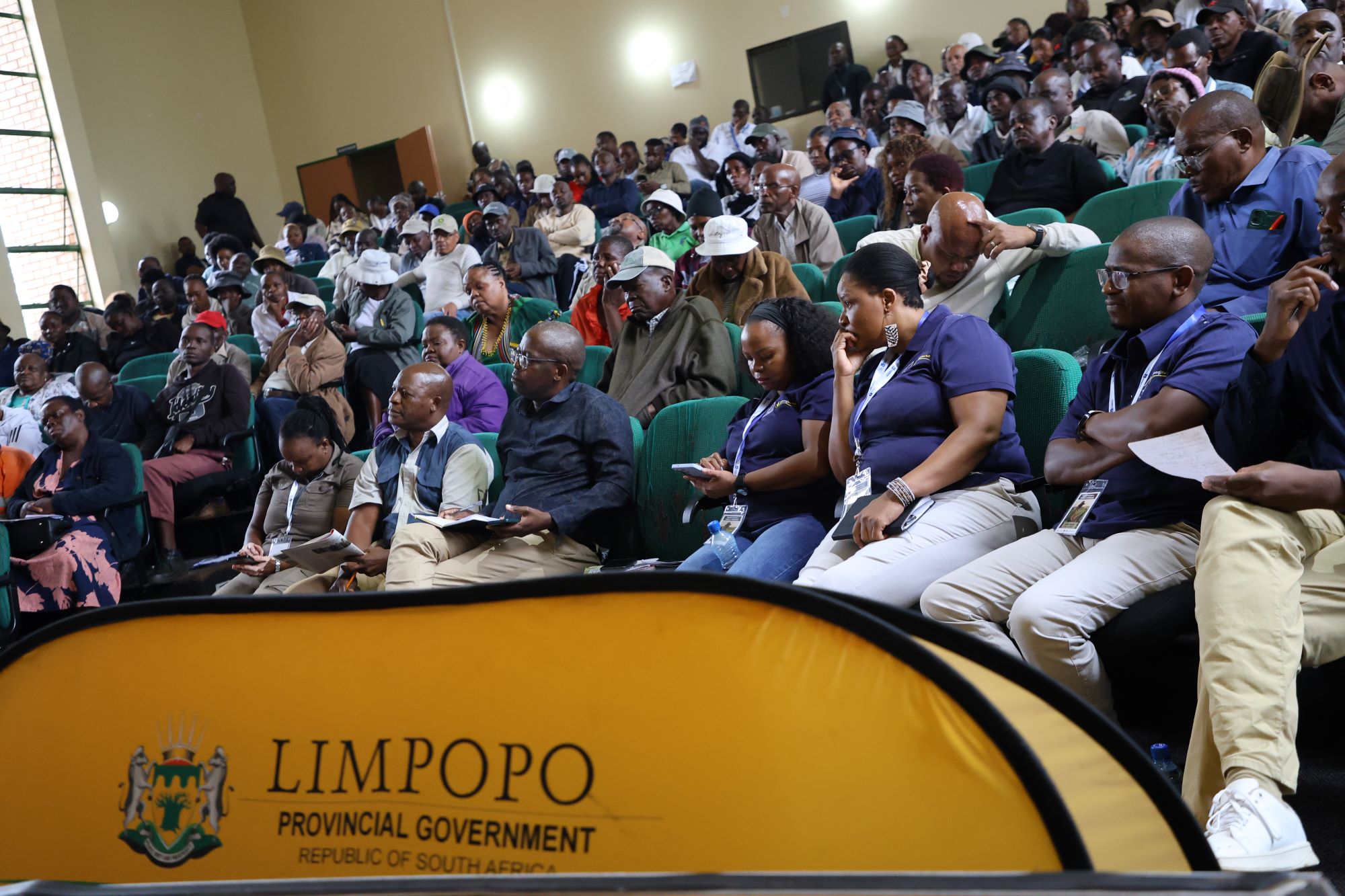
The Joburg Market recently hosted a Market Access and Product Standards information awareness session in Limpopo at the Prof NV Ralushai Main Library, Thohoyandou, reaffirming its commitment to empowering farmers and SMMEs in one of its key supplying provinces.
“Use the knowledge shared today to improve your standards and grow your businesses. When you commit to quality and compliance, greater market opportunities will follow,” was the message from Mpho Musetha from the Department of Agriculture to the attendees.
Limpopo remains a critical contributor to the fresh produce traded at the market, supplying significant volumes of fresh produce that sustain Johannesburg and the surrounding regions.
The market access segment provided practical insight into the commission-based business model, payment processes and the roles of market agents, buyers and internal departments. Farmers gained a clearer understanding of trading floor operations and the Market Sales Processing System, including how produce moves from delivery to sale. They were also guided on how to register, log queries and access daily and historical pricing information, enabling more informed production and marketing decisions.
Equally important was the focus on post-harvest grading, packaging and handling compliance. The Quality Assurance Department stressed that quality remains central to competitiveness, covering grading standards, packaging requirements, proper handling practices, and reducing post-harvest losses. Compliance and certification requirements for market entry were reinforced as essential for maintaining consumer confidence and fair trading.
The programme further strengthened relationships between farmers and agents through open engagement. Neony Market Agents provided valuable insight into the farmer agent relationship, emphasising transparency, communication, and trust as pillars of successful trading partnerships.
There were real-life testimonies from farmers already supplying the market, demonstrating how consistency and strong partnerships can unlock growth. With additional input on financial literacy from Standard Bank and climate-related agricultural research from the University of Venda, the session reflected a holistic approach to farmer development.
The Limpopo session stands as a powerful example of how collaboration, education, and partnership can unlock growth opportunities for farmers while reinforcing the strength and resilience of the national food system.
Written by Sithobekile Masola