

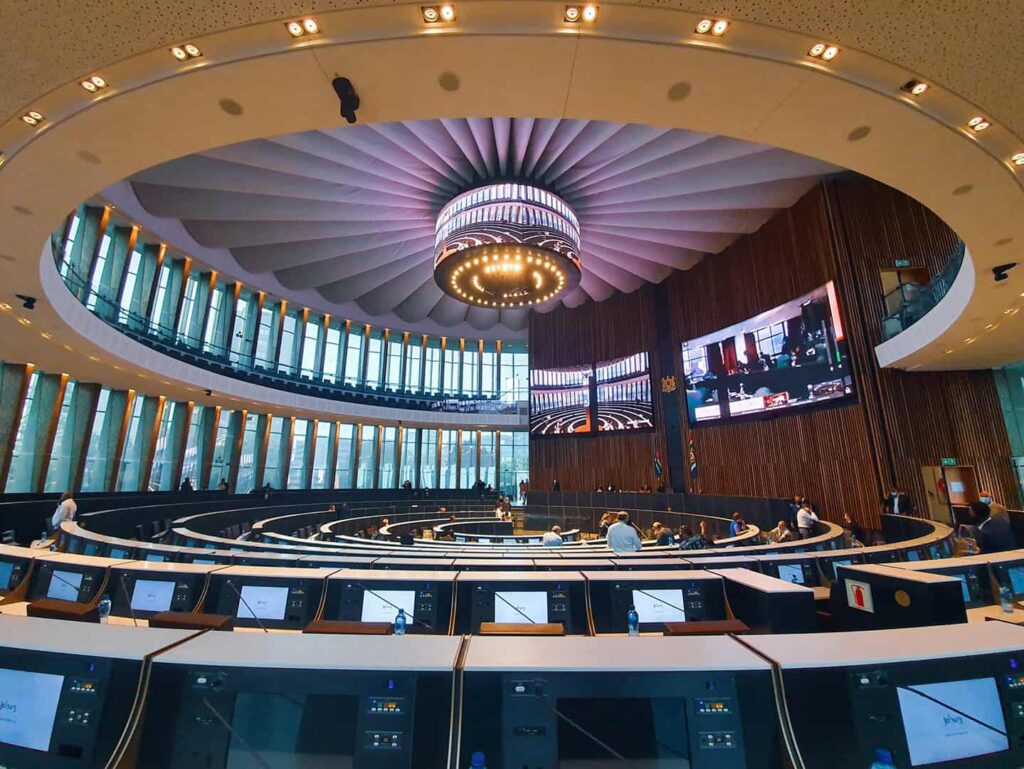







A recent meeting of the Strategy and Operations Committee (SOC), comprising Joburg Market executives and selected board members, marked a key milestone in monitoring the implementation of the Market’s infrastructure modernisation projects. The engagement reinforced a shared commitment to strong governance oversight and ensuring that strategic plans translate into tangible operational improvements.
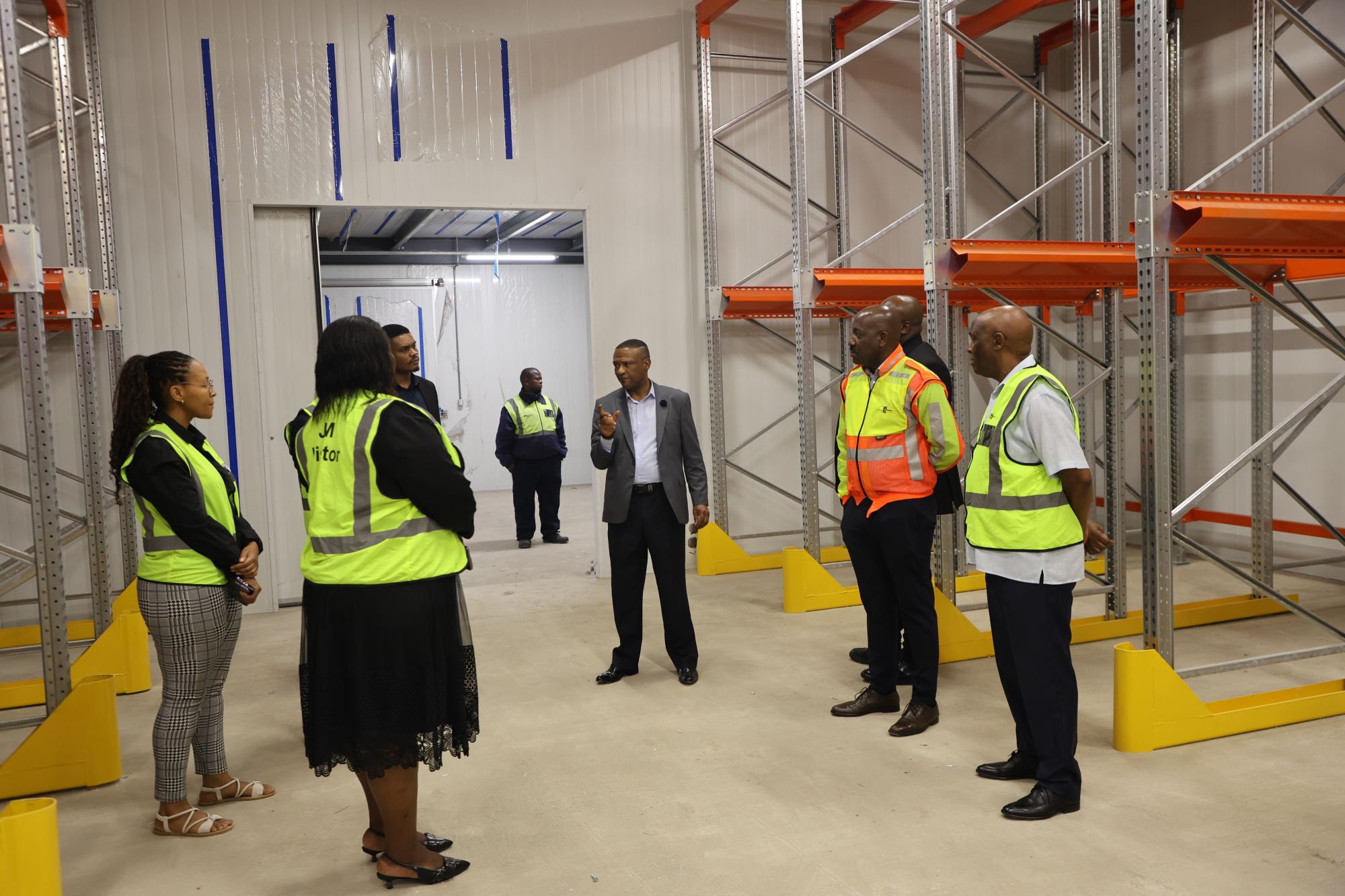
The meeting combined high-level strategic discussions with an on-site oversight visit to the newly constructed Joburg Market watermelon cold rooms, a critical asset within the fresh produce value chain. This allowed SOC members to gain first-hand insight into project progress and operational readiness.
The new watermelon facility consists of 17 Freon-cooled rooms with a maximum capacity of up to 900 pallets and temperature control ranging from 0°C to 10°C. The rooms operate independently from the existing ammonia plant. In comparison, the current cold rooms comprise 26 rooms with a total capacity of 2,524 pallets. While smaller in scale, the new facility represents a significant infrastructure upgrade, enhancing storage efficiency, reducing spoilage, and strengthening Joburg Market’s contribution to food security for the City of Johannesburg and surrounding regions.
During the oversight visit, executives provided updates on the functionality and performance of the cold room infrastructure, highlighting how technology-driven interventions improve cold chain management, reduce post-harvest losses, and enhance operational efficiency. The project forms part of broader initiatives focused on data-driven decision-making, infrastructure renewal, and innovation to support traders, farmers, and buyers.
Reflecting on the projects alignment to the City of Johannesburg’s broader developmental and service delivery objectives, the Joburg Market’s acting Chief Operations Officer, Charles Park, noted: “It is essential that our technology investments not only modernise operations but also contribute to inclusive economic growth and long-term sustainability. Our projects must [always] deliver value across the entire agricultural and food distribution ecosystem.”
SOC members engaged management on key performance indicators, including asset optimisation, operational efficiency, and customer experience. The site visit reinforced transparency and accountability by enabling direct assessment of progress beyond formal reports.
Written by Busisiwe Moagi